Does a Root Canal Hurt? What It Really Feels Like, Before, During and After

Does a root canal hurt? For most people, a modern one feels much like having a filling. Once the tooth is numb, what you feel during the visit is mostly pressure and vibration, not pain, and if you feel anything sharp, we add more anesthetic. The pain people associate with root canals is the toothache that comes before treatment, and the treatment is what relieves it.
In this article
In 17 years of practice, the most common thing I hear at the end of root canal treatment is some version of "that was it?" Here is what the visit actually feels like, start to finish, and what is normal afterward.
Why do root canals have such a scary reputation?
Two reasons. First, the toothache: by the time someone needs a root canal, the nerve inside the tooth is inflamed or infected, and that pain can be severe. People remember the agony and attach it to the treatment that ended it. Second, old stories. Anesthetics and techniques were less effective a generation ago. The American Association of Endodontists now describes modern root canal treatment as designed to eliminate pain, not cause it (AAE).
What does the procedure actually feel like?
Numbing.
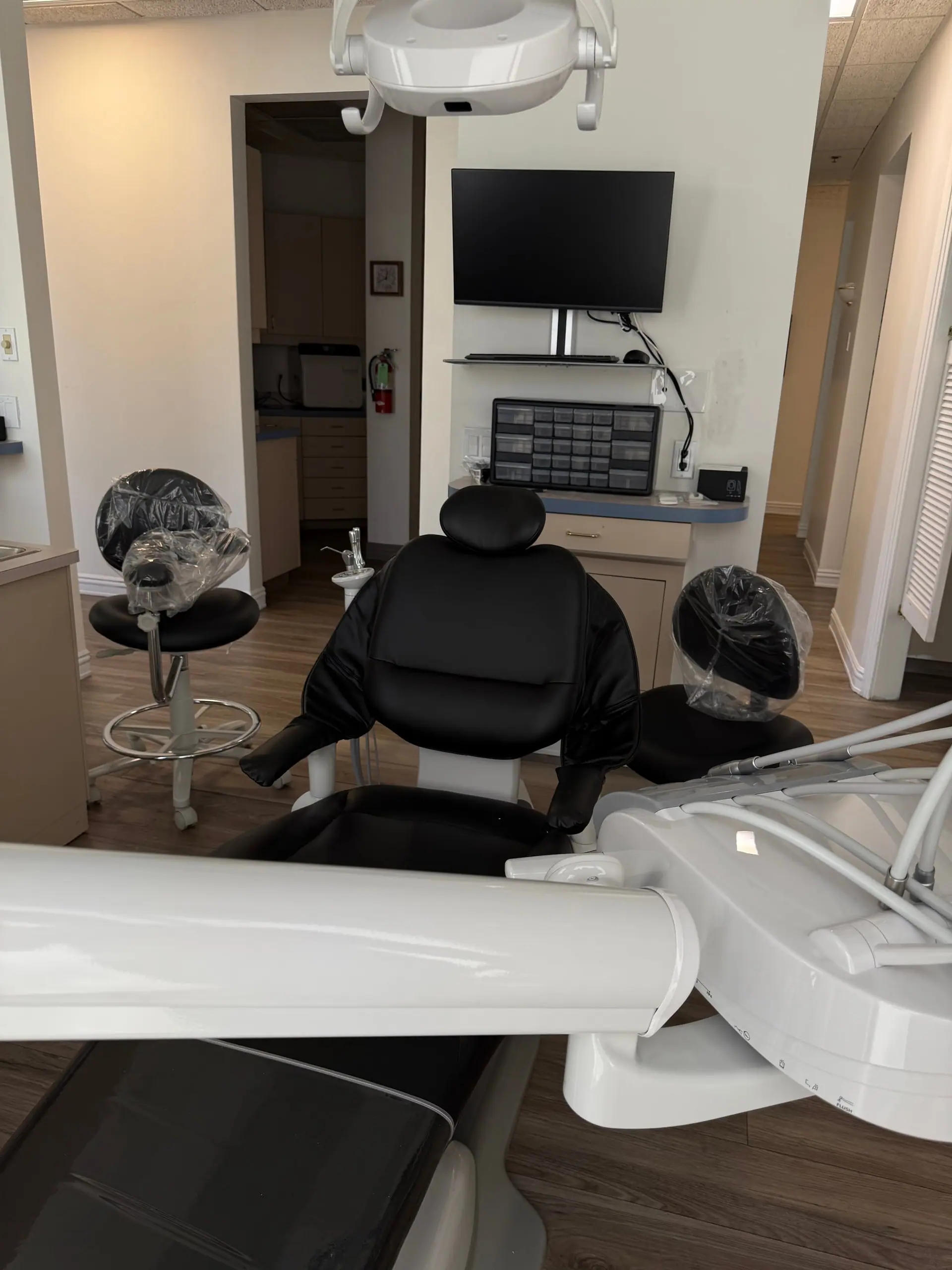
You get a local anesthetic, the same kind used for a filling. There is a small pinch, then the tooth, the gum and part of your lip or cheek go numb. We test the tooth before starting, and if you feel anything, we add more. You are never expected to tough it out.
Isolation.
A small rubber sheet called a dental dam goes around the tooth to keep it clean and dry. It feels odd rather than painful, and it keeps water from running down your throat.
Cleaning and shaping.
A small opening is made in the top of the tooth, and the inflamed or infected pulp is removed from the canals inside the root with fine instruments. You may feel pressure and some vibration, but you should not feel sharp pain. If the tooth was abscessed, relief can start soon after, as the pressure is released.
Filling and sealing.
The clean canals are filled with a rubber-like material called gutta-percha, and the opening is closed with a filling. The whole visit usually takes about an hour to an hour and a half, and some teeth, especially molars with several canals or a heavy infection, need a second visit.
What if my tooth is hard to numb?
A very inflamed tooth, especially a lower molar, can be harder to numb than a healthy one, because an inflamed nerve is on high alert and responds less to anesthetic than a healthy one. Dentists know this and plan for it. We may give the anesthetic more time to work, use a different anesthetic, or add a second injection right beside the tooth. If numbing has ever failed to take for you, tell us when you book and we will plan for extra from the start.
How much does it hurt afterward?
Expect the tooth to be tender for a few days, especially when you bite on it. The tissue around the root was inflamed before treatment and needs time to settle. Most people manage with over-the-counter pain relievers such as ibuprofen or acetaminophen, if they are safe for you and taken as directed on the label, and most feel much better within about a week (Pak and White, 2011).
It is a dull, bruised sort of ache, not the throbbing toothache you came in with. Until the permanent crown or filling is in place, chew on the other side, because the tooth is more fragile than it feels. Getting that crown or filling done soon matters, because a temporary filling can leak.
When is pain after a root canal not normal?
Call us the same day if the pain is severe or getting worse instead of better after the first few days, if the gum swells, or if the temporary filling comes out. These do not necessarily mean the treatment failed, but they need a look. If swelling spreads into your face or neck, or you have a fever, trouble swallowing or trouble breathing, go to the nearest emergency room or call 911. Mild sensitivity that lingers for a week or so is common and settles on its own.
How do I know if I need a root canal?
Your dentist confirms it with an exam, a few simple tests and an X-ray. These are the signs that point toward it:
- A toothache that lingers after hot or cold for more than a few seconds, or that wakes you at night.
- Sharp pain when you bite down.
- A swollen or tender gum, or a small pimple-like bump near the tooth.
- A tooth that has turned gray or dark after an injury.
Deep decay, a crack, or a tooth with several old fillings raise the chance. And sometimes a tooth needs a root canal with no pain at all, which is why checkups and X-rays matter.
If a tooth has been sensitive for a while, our guide to sensitive teeth explains what else it could be.

Would it be easier to just pull the tooth?
Removing a tooth sounds simpler, and sometimes it is the right call, for example when a tooth is cracked below the gum or too broken to rebuild. But pulling a tooth that could be saved trades one procedure for two or three, because the gap is usually best filled with an implant or a bridge, and if it is left open, nearby teeth can drift and your bite can change.
Whenever a tooth can be saved, saving it is the preferred option, and a treated tooth with a good restoration can often last a lifetime. We will tell you plainly which group your tooth is in. Our tooth extractions page covers what happens when removal is the better path.
Can antibiotics fix it instead?
Usually not. For most healthy adults with a toothache from an inflamed or infected tooth, the American Dental Association's guideline recommends treating the tooth itself, with over-the-counter pain relief in the meantime, instead of antibiotics (ADA guideline, 2019). Antibiotics cannot clean out the inflamed or dead tissue inside the tooth, and for an inflamed nerve, a review found only one small trial (40 people), too little evidence to show antibiotics ease the pain (Cochrane review, 2019). They are used when the infection is spreading or affecting your whole body, such as a fever, feeling unwell, or swelling that is spreading, and in a few other cases your dentist will explain (ADA guideline, 2019).
Will I need a crown afterward?
Usually, for back teeth. A tooth that needs a root canal has typically already lost a lot of structure to decay or old fillings, and molars take the full force of chewing, so a porcelain crown protects it from cracking. Front teeth with little damage can sometimes be finished with a filling alone. We will tell you which your tooth needs before we start, so there are no surprises.
Frequently asked questions
Can I drive myself home after a root canal?
Yes. A root canal is done with local anesthetic, which does not affect your ability to drive. If we arrange something extra to help you relax, we will tell you in advance whether you need a ride.
How long does a root canal take?
About 60 to 90 minutes for most teeth. Molars with several canals, or a tooth with a heavy infection, may need a second visit.
Can I eat after a root canal?
Wait until the numbness wears off so you do not bite your cheek or tongue, then eat soft foods on the other side. Avoid chewing on the treated tooth at all until the permanent crown or filling is in.
Is a root canal safe? I read it can make you sick.
That idea comes from research from the early 1900s that has since been discredited. The American Association of Endodontists states there is no credible scientific evidence that root canal treatment causes cancer, heart disease or other illness, and that an untreated infected tooth is the greater health risk.
How long does a root canal tooth last?
Most treated teeth stay in the mouth for many years. In one large study of more than a million teeth, 97 in 100 were still there 8 years later (Salehrabi and Rotstein, 2004), and many last a lifetime with a good crown or filling and regular care. Now and then a treated tooth gets infected again; it can often be treated a second time or with a small surgery, and sometimes it has to come out. The tooth can still get a cavity, so it needs the same care as the others.
Have a toothache that will not quit?
An infected tooth does not fix itself, and early treatment is simpler and more comfortable than waiting. At Diamond Dental Group in Roseville, we see patients in pain as soon as we can during office hours, and I will tell you plainly whether a root canal is the right fix and what it will feel like. Call (916) 755-4769 or book online. If nerves are part of what keeps you away, our guide for nervous patients is a good place to start.
This article is general education and not personal dental advice. Only an in-person exam can tell you whether a root canal is right for your tooth.