
Nervous About Going to the Dentist? What Actually Helps
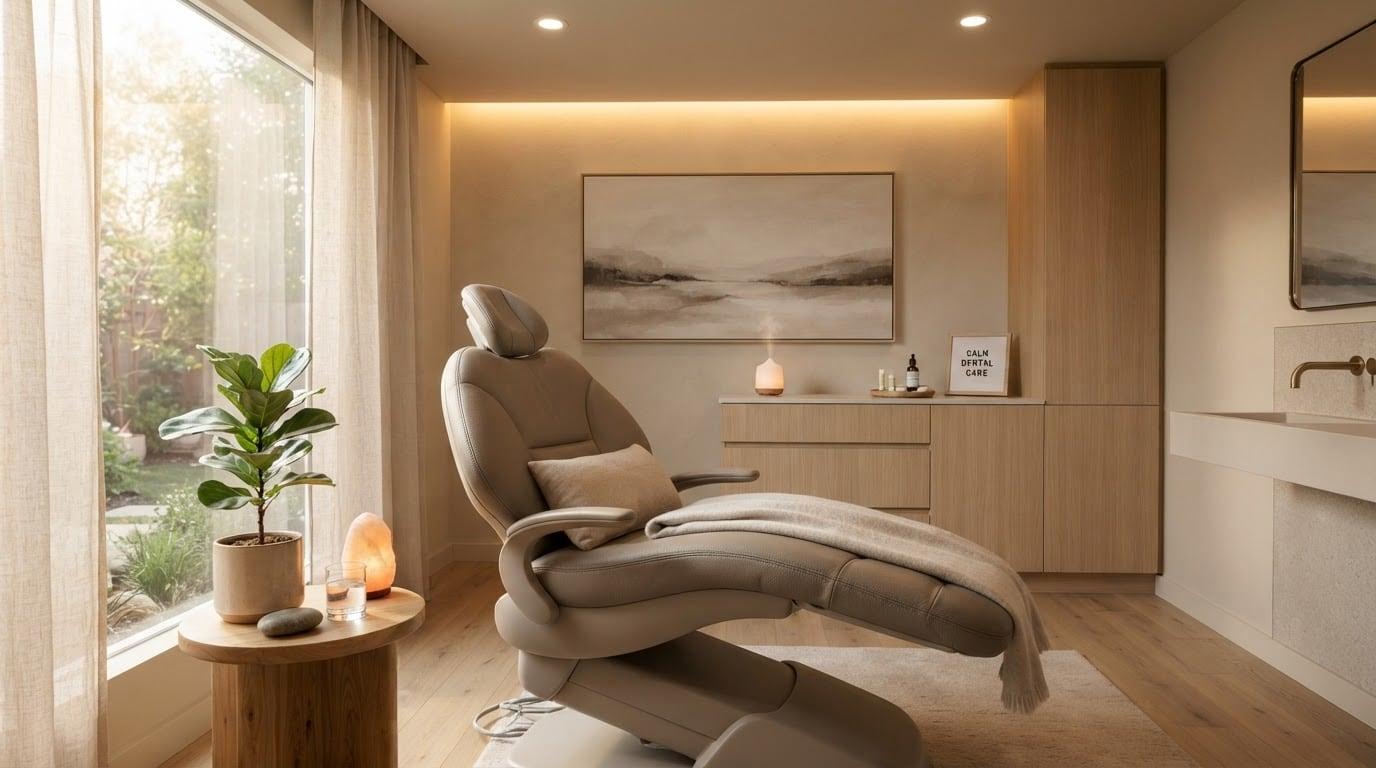
If the thought of a dental appointment makes your stomach tighten, you are in very ordinary company. Survey estimates vary, but roughly one in three adults reports meaningful anxiety about dental visits, and somewhere around one in ten avoids care altogether because of it.
That avoidance is the real problem. Not the fear itself, which is understandable, but what happens during the years someone stays away.
This is not an article about being braver. It is about what specifically tends to help, and what you can ask for.
Where dental anxiety usually comes from
It is rarely irrational, and it is almost never about teeth in isolation.
A bad experience, often a long time ago. Frequently in childhood, frequently at a time when pain control and communication were both worse than they are now. The memory sticks even when the circumstances have completely changed.
Loss of control. You are lying back, unable to speak clearly, unable to see what is happening, with someone working a few inches from your face. For many people that is the core of it, more than any expectation of pain.
Fear of pain. Sometimes from experience, often from anticipation, and often outdated. Anaesthetic technique has changed considerably.
Embarrassment. This one is enormous and badly underestimated. People who have avoided the dentist for years often stay away specifically because they are ashamed of how their teeth look, and they expect to be judged or lectured. The shame keeps them away, staying away makes things worse, and the worse it gets the more shameful it feels.
Sounds and smells. The high-pitched drill, the particular clinical smell. Sensory triggers can restart the whole response before anything has happened.
Gagging. A strong gag reflex makes some procedures genuinely unpleasant and is a legitimate reason to dread them.
Why waiting makes it harder
This is the cycle worth naming plainly.
Anxiety leads to avoidance. Avoidance means small problems go unnoticed. Small problems become larger ones. Larger problems mean longer, more involved appointments when you eventually do go, which is exactly the experience you were afraid of. That confirms the fear.
The reverse also holds. Regular short visits where nothing much happens are the most effective way to unlearn the association. Which means the hardest appointment is almost always the first one.
Tell your dental team before anything starts
This single step changes more than anything else on this list, and most anxious patients skip it because they feel silly raising it.
You do not need a speech. "I get really anxious at the dentist" is enough. A good team will adjust how they work. They may talk you through each step, work more slowly, check in more often, or book you at a quieter time of day.
They cannot adapt to something they do not know about.
If it helps, say it on the phone when booking rather than in the chair. It is easier, and it means the team is prepared before you arrive.
Agree on a stop signal
Ask to set a hand signal, usually raising your left hand, that means stop. Then make sure it is honoured, every time, without negotiation.
This matters more than it sounds. Most dental anxiety is rooted in feeling trapped rather than in pain. Knowing you can halt things at any moment restores control, and many people find they never need to use the signal at all. Simply having it available is what reduces the fear.
Practical things that genuinely help
Book a morning appointment. You spend fewer hours anticipating it, and you are less depleted.
Bring headphones. Music, a podcast, an audiobook. Blocking the sound of the drill removes one of the most common triggers. Check with the practice first, since they may need to get your attention.
Bring someone with you. Having a familiar person in the waiting room, or the treatment room where allowed, helps a lot of people.
Ask for the first visit to be a conversation. You can book an appointment where nothing is done except talking and a look. No instruments, no treatment. Meeting the dentist and seeing the room while nothing is happening breaks a lot of the association.
Ask for a topical numbing gel before any injection. It is applied to the gum and numbs the surface so you feel the injection much less. Many practices use it routinely; not all mention it.
Practise slow breathing. In for four counts, out for six. A longer exhale than inhale genuinely calms the nervous system. Do it in the waiting room, not just in the chair.
Avoid caffeine beforehand. It amplifies the physical symptoms of anxiety, and those symptoms feed the feeling.
Ask what is going to happen, in order. For people whose anxiety is about the unknown, a clear step-by-step before starting is more effective than reassurance.
On feeling embarrassed
If it has been years, and you are dreading being judged, it is worth knowing that dental teams see this constantly. Long gaps in care are common and unremarkable to them. Nobody is surprised.
A good practice is interested in where you are now and what you want to do about it. Not in what happened in the intervening years.
If you do meet a dentist who lectures you, that is information about the practice, not about you. You are allowed to go elsewhere.
Sedation options
For more severe anxiety, several options exist beyond local anaesthetic. Availability varies by practice, so ask what is offered.
Nitrous oxide, sometimes called laughing gas, is inhaled through a small nose mask. It produces a relaxed, slightly floaty feeling, you stay awake and responsive, and the effect wears off within minutes of the mask being removed. Most people can drive themselves home.
Oral sedation involves taking a prescribed medication before the appointment. You are drowsy but conscious, and you will need someone to drive you.
IV sedation is deeper, administered through a vein, and typically used for more extensive treatment or severe phobia. It requires specific training and an escort home.
Sedation is a legitimate tool, not a sign of weakness. For someone who has avoided care for a decade, it can be the thing that makes the first appointment possible at all.
How to make the first appointment easier
Call and say you are anxious and it has been a while. Ask to book a consultation rather than treatment. Ask what the practice does for nervous patients. Book for the morning. Bring headphones and someone you trust.
Then go, and let it be short.
The first visit is the steep part. Almost everyone finds the second one noticeably easier than they expected.
The short version
Dental anxiety is common, usually has a specific origin, and responds well to being named out loud. Telling your team, agreeing a stop signal, and starting with a low-stakes visit does more than trying to talk yourself out of the feeling.
The goal is not to stop being nervous. It is to get seen.
Been putting off an appointment?
Diamond Dental Group is happy to start with a conversation, no treatment, so you can meet the team first. Call (916) 755-4769 and mention that you are nervous. It genuinely helps us look after you properly.
This article is for general educational purposes and is not a substitute for professional dental advice, diagnosis, or treatment. Sedation options vary by practice and not all are available everywhere. Please consult your dentist about your specific situation.